
Japan: Digital Dreams, Ancient Temples & City Contrasts
Your Guide to the Land of the Rising Sun
Japan throws you into the future and past all at once. We wandered Tokyoโs digital playgrounds, walking barefoot through light and water at teamLab Planets, staring out over the skyline from SkyTree, and watching koi swim through glowing tubes at the Art Aquarium Museum. Then we slowed things down in Kyoto, staying at the quirky Hotel Tavinos and visiting timeless spots like the Imperial Palace East Gardens. Back in Tokyo, we lit incense at Senso-ji, navigated buzzing streets, and soaked in the mix of old souls and neon nights. This guide captures it all; temples, tech, tips, and the tension that makes Japan feel like nowhere else on Earth.
Quick Navigation
Share This Guide
Discover
Our Top Recommended Places
Our Interactive Map & Guide to Japan
Check out all the places we visited in Japan with our interactive map from Wanderlog. Tap any of the numbers for more information, including directions, our blog posts, links to reviews, and much more.
Wanderlog is a free travel planning app that allows users to create trip itineraries, organize flights, hotel, and car reservations, view places to visit on a map, and collaborate with friends. It saves time and is super easy to use!
If you see nothing here, please refresh the page
Use our interactive map to easily locate the top hotels here, sourced from a variety of reputable platforms such as Booking.com, Vrbo, Expedia, Get Your Guide, and Hotels.com.
Powered by Stay22, our map allows you to zoom easily, providing a comprehensive view and so you can identify the most convenient hotel options based on your current location or desired destination.
Find the Best Deals on Top Hotels in Japan
Top Activities - Book in Advance
Interesting Facts
Here are 15 interesting facts about Japan. Some may just surprise you!
1. Japan Is Made Up of over 6,800 Islands: The four main islands โ Honshu, Hokkaido, Kyushu, and Shikoku โ are home to most of the population.
2. Japan has the Worldโs Oldest Monarchy: The Imperial House of Japan traces its lineage back more than 2,600 years, making it the oldest hereditary monarchy in the world.
3. Cherry Blossoms (Sakura) Are a National Symbol: Every spring, cherry blossom festivals celebrate the fleeting beauty of these pink flowers.
4. Japan Has One of the Highest Life Expectancies: Thanks to diet, healthcare, and lifestyle, many Japanese people live well into their 80s and 90s.
5. The Shinkansen (Bullet Train) Can Reach Speeds Over 300 km/h: Japan pioneered high-speed rail, connecting cities quickly and efficiently.
6. Traditional Arts Like Tea Ceremony and Ikebana Remain Important: These cultural practices emphasize mindfulness, aesthetics, and respect for nature.
7. Japan Is Known for Its Unique Cuisine: From sushi and ramen to kaiseki and street food, Japanese cuisine balances taste, presentation, and seasonality.
8. The Country Experiences Frequent Earthquakes: Located on the Pacific โRing of Fire,โ Japan has developed advanced earthquake preparedness and engineering.
9. Japan has a Population Density of about 340 People per kmยฒ: Urban centers like Tokyo are among the most densely populated areas in the world.
10. Manga and Anime Are Global Phenomena: Japanese comics and animation have a huge cultural influence worldwide.
11. Japan has a Strong Work Ethic: Long hours and dedication to craft are deeply embedded in the culture.
12. The Country Is Home to Many UNESCO World Heritage Sites: These range from ancient temples to natural landscapes like Mount Fuji.
13. Sumo Wrestling Is Japanโs National Sport: Sumo has ancient roots and remains a popular and highly ritualized sport.
14. Japan Has One of the Lowest Crime Rates Globally: Safety and order are major cultural priorities.
15. Vending Machines Are Everywhere: Japan has more vending machines per capita than any other country, selling everything from drinks to umbrellas.
Latest Posts


Osakaโs Dotonbori: Neon Nights, Street Food, and Retro Vibes


Solo Travel: Top Destinations for Adventurous Independent Travelers


Imperial Palace East Gardens & Edo Castle Ruins: Tokyoโs Green Oasis


Hotel Tavinos Kyoto Review: Funky, Affordable & Fun in the Heart of Japan


Sensoji Temple: 1,300 Years of History in the Heart of Tokyo


teamLab Planets Tokyo: The Art Museum You Can Walk Through
Travel Essentials
Travel Information for Japan: Practical Tips & Essentials
Internet, SIMs, Dial Code & Plug Sockets
Japan is one of the most technologically advanced countries in the world, with fast internet, reliable mobile coverage, and excellent digital infrastructure.
Whether in major cities or smaller towns, staying connected is straightforward, though rural and mountainous areas may have weaker signals.
โSave 50% on NordPass Premium
NordPass is more than an intuitive password manager โ it helps both businesses and individuals easily secure and monitor access to their online accounts and sensitive information.
โGet 73% off NordVPN's
2-year plan
The most advanced VPN with additional features. One of the fastest VPNs globally. Secures up to 10 devices using a single account. Helps you avoid phishing, scams, and malware threats.
Internet Service Providers (ISPs) in Japan
Japan has several leading telecom providers offering reliable nationwide service.
โ
โ NTT Docomo: The largest provider, known for the widest coverage, including rural areas.
โ SoftBank: Popular with foreigners, offering tourist SIMs and rental services.
โ au by KDDI: Strong competitor with robust 4G and 5G networks.
โ Rakuten Mobile: A newer option with affordable data plans, though coverage is still expanding.
โ Broadband Providers: NTT and SoftBank also offer high-speed fiber internet for residents and long-term visitors.
โโ
๐ก Tip: Free Wi-Fi is common in airports, train stations, convenience stores, and cafés, but coverage can be inconsistent — mobile data is more reliable.
Mobile Phone Options for Tourists
Japan offers multiple convenient options for short-term and long-term travelers.
Prepaid SIM Cards:
โ Mobal Japan Unlimited SIM: Flexible for long-term travelers, with proceeds supporting charities.
โ SoftBank Prepaid SIM: Widely available, with strong coverage across cities and tourist areas.
โ IIJmio and B-Mobile SIMs: Affordable data-only options for tourists.
โ
โ Pocket Wi-Fi: Very popular in Japan — small devices that provide unlimited data and can be rented at airports or online. Perfect for groups.
โ
โ Short-Term Phone Rentals: Available at major airports, though less common than SIM or pocket Wi-Fi.
โโ
๐ก Tip: For most tourists, renting a pocket Wi-Fi is the easiest option, especially if traveling in a group or needing constant coverage.
โ
๐ก eSIMs are a convenient option for newer phones. They’re ideal for short stays and can be activated online before or upon arrival. Be sure your phone is eSIM-compatible.
โ
If you have an unlocked phone, international eSIM providers are an easy way to stay connected:
โ GigSky: Quick setup, reliable U.S. data plans, and good for frequent travelers.
โ Saily: Flexible and budget-friendly eSIM options, great for short-term U.S. trips.
โ Simbye: Designed with travelers in mind, offering instant eSIM activation and fair pricing.
โ
๐ COMPARE & BUY ESIMS
Japan Dial Code
To call Japan from abroad, use the following format:โ
โ
โ International Dialing Format: +81 followed by the local number (omit the initial 0).
Example: +81 3 1234 5678 (for a Tokyo landline)
โ
โ Japan Exit Code (to call out): 010
Example: To call the UK from Japan, dial 010 44 20 7946 0991
โ
โ Local Calls Within Japan: Dial the full number, including the leading 0.
โ
Example: 03 1234 5678 (Tokyo landline), 090 1234 5678 (mobile)
โ
๐ก Tip: Mobile numbers typically begin with 070, 080, or 090, while landlines start with an area code such as 03 for Tokyo or 06 for Osaka.
Plug Sockets in Japan
Japan uses a unique electrical system compared to much of the world.
โโโ
โ Types Used: Type A and Type B
โ Voltage: 100 V
โ Frequency: 50 Hz (Eastern Japan, including Tokyo) and 60 Hz (Western Japan, including Osaka)
โโ
โ Stability: Outlets are standard across the country, but provide less voltage than most other nations.
โ
โ ๏ธ Voltage Safety Tip:
Many devices, like laptops and phone chargers, are dual-voltage and work fine — check your labels.
โ
๐ Adapters Needed:
Travelers from Europe or the UK will need a Type A/B adapter, while those from North America may only need a plug adapter, not a converter.
.jpg)

Japanese Cuisine
Japanese cuisine is world-renowned for its elegance, balance, and attention to detail.
With a strong focus on seasonality and presentation, meals range from simple comfort foods to refined kaiseki dining.
Rice, seafood, and noodles are central, but Japan’s food culture also embraces regional specialties that vary from Hokkaido to Okinawa.
Staples
Rice and noodles are the heart of Japanese dining, forming the base of most meals.
โ
โ Gohan (Steamed Rice): Served daily with nearly every meal.
โ Onigiri: Rice balls wrapped in seaweed, often with fillings like salmon or pickled plum.
โ Ramen: Wheat noodles in broth, with countless regional variations (tonkotsu, shoyu, miso, shio).
โ Udon: Thick wheat noodles, served hot or cold depending on the season.
โ Soba: Buckwheat noodles, popular both chilled in summer and in hot broth in winter.
โ
๐ก Tip: Convenience stores in Japan sell excellent onigiri and noodle bowls — cheap, quick, and surprisingly high quality.
Meat Dishes
Japan is known for its premium beef, seafood-based proteins, and carefully prepared meats.
โ Yakitori: Skewered grilled chicken, often served with tare sauce or salt.
โ Tonkatsu: Breaded deep-fried pork cutlet, served with shredded cabbage and rice.
โ Wagyu & Kobe Beef: Luxurious, marbled beef prized worldwide for tenderness and flavor.
โ Sukiyaki: Hot pot of beef, vegetables, and tofu cooked in sweet soy broth.
โ Shabu-Shabu: A lighter hot pot where thin meat slices are briefly dipped in boiling broth.
โ
๐ก Tip: Visit izakayas (Japanese pubs) to sample yakitori and small grilled dishes with sake or beer.
โOther Specialties
Japanese cuisine offers countless unique specialties tied to culture and region.
โ
โ Sushi & Sashimi: Fresh raw fish served with rice or sliced on its own.
โ Okonomiyaki: Savory pancake filled with cabbage, pork, or seafood, topped with mayo and bonito flakes.
โ Takoyaki: Octopus-filled dough balls, especially famous in Osaka.
โ Tempura: Lightly battered and fried seafood or vegetables, served with dipping sauce.
โ Kaiseki: Multi-course haute cuisine focusing on balance, seasonality, and artistry.
โ
๐ก Try regional food specialties when traveling. Hiroshima okonomiyaki and Osaka takoyaki are local icons.
Japanese Desserts
Japanese desserts are often less sweet than Western ones, focusing on natural flavors.
โ Mochi: Rice cakes filled with red bean paste, fruit, or ice cream.
โ Dorayaki: Pancakes filled with sweet azuki bean paste.
โ Taiyaki: Fish-shaped pastry filled with custard, chocolate, or red bean.
โ Matcha Desserts: Cakes, ice cream, and drinks flavored with green tea powder.
โ Seasonal Fruits: Melons, strawberries, and peaches are prized luxury gifts.
๐ก Tip: Don’t miss convenience store desserts — Japan’s konbini chains offer surprisingly delicious sweets.
Food Delivery
Food delivery is widely available, though Japan traditionally emphasizes dining out.
โ
Popular apps include:
โ
โ Uber Eats & Demae-can: Popular for both fast food and restaurant-quality meals.
โ
โ Rakuten Delivery: Covers everything from bento to pizzas.
โ
โ Konbini (Convenience Stores): Open 24/7 and offer instant meals, including hot snacks.
โ Department Store Food Halls: Known as depachika, they provide gourmet take-home meals.
โ Train Station Bentos (Ekiben): Pre-packed meals for long journeys, often themed to the region.
โ
๐ก Tip: Food delivery in Japan is reliable but less relied upon than convenience stores and dining out — exploring local eateries is part of the culture.
Japanese cuisine is more than food — it’s an art form that reflects harmony, seasonality, and cultural pride.
From steaming bowls of ramen in bustling train stations to delicate kaiseki meals crafted by master chefs, every dish tells a story.
For travelers, eating in Japan is as much about the experience as the flavor, making it one of the country’s greatest highlights.
Culture & Customs in Japan
Japan’s culture blends ancient traditions with cutting-edge modernity.
Respect, harmony, and attention to detail shape daily life, while centuries-old customs remain alive alongside futuristic innovations.
Travelers will find a society where politeness and order are deeply valued.
Family & Social Interactions
Family life in Japan emphasizes respect, responsibility, and community.
โ The concept of ie (household) highlights the importance of family ties across generations.
โ Elders are respected and play key roles in guiding family decisions.
โ Work-life balance can be demanding, especially in urban Japan, where long working hours affect family time.
โ Group harmony (wa) is valued over individual expression in social settings.
โ Urbanization has led to smaller nuclear families, but traditional family bonds remain strong.
โโ
๐ก Tip: If visiting a Japanese home, it is customary to bring a small gift (omiyage) as a sign of appreciation.
Religion & Customs
Japan blends spiritual traditions, with most people practicing elements of both Shinto and Buddhism.
โ Shinto: Indigenous faith centered on rituals, shrines, and reverence for nature.
โ
โ Buddhism: Influences funerals, temple visits, and meditation practices.
โ Christianity: A small but present minority, mainly in urban areas.
โ Folk Practices: Fortune-telling, charms (omamori), and seasonal rituals remain common.
โ Shrines and temples are integral to festivals and community gatherings.
โ
๐ก Tip: When visiting a shrine, bow once before entering, cleanse your hands at the purification fountain, and bow again before leaving.
Daily Life & Traditions
Daily life in Japan is shaped by a balance of tradition and efficiency.
โ Meals are often shared with attention to etiquette, such as saying itadakimasu before eating.
โ Seasonal festivals, like cherry blossom viewing (hanami), mark the rhythm of the year.
โ Traditional arts like calligraphy, tea ceremony, and ikebana (flower arranging) remain popular.
โ Pop culture — anime, manga, gaming — is a global cultural export.
โ Orderliness is seen everywhere, from punctual trains to neatly separated recycling bins.
โ
๐ก Tip: Expect quiet in public transport. Talking on phones is frowned upon, and many passengers remain silent.
Etiquette
Politeness and ritualized manners are central to Japanese life.
โ Bowing is the standard greeting, with variations depending on formality.
โ Shoes must be removed when entering homes, temples, and some traditional accommodations.
โ Gift-giving is an important custom. Items are often beautifully wrapped.
โ Business cards (meishi) are exchanged with two hands and should be received respectfully.
โ Punctuality is crucial. Lateness is seen as disrespectful.
๐ก Tip: Avoid pointing, eating while walking, or speaking loudly in public; these are considered impolite.
Celebrations
Japan’s festivals (matsuri) are colorful and steeped in tradition.
โ Hanami (Cherry Blossom Viewing): Spring gatherings under blooming cherry trees.
โ Gion Matsuri (Kyoto): July’s famous festival with floats, parades, and centuries-old traditions.
โ Obon: A Buddhist festival in August honoring ancestors with lanterns and dances.
โ New Year (Shลgatsu): The most important holiday, with shrine visits, family meals, and lucky decorations.
โ Tanabata (Star Festival): Wishes written on paper strips and hung on bamboo trees.
โ
๐ก Tip: Many festivals include street food stalls and fireworks — a great way to experience Japanese culture firsthand.
Japan’s customs highlight balance, respect, and tradition in every aspect of life.
For visitors, understanding even a few cultural practices opens doors to deeper experiences and more meaningful connections with locals.
Currency in Japan
The official currency of Japan is the Japanese Yen (JPY), symbolized as ¥.
Although Japan is a global leader in technology, it remains surprisingly cash-oriented, especially outside major cities.
Travelers should expect to use a mix of cash and cards, with digital payments slowly gaining popularity.
Get a Fee Free Transfer of up to 800 CAD
Save when you send, receive and spend worldwide. Send 50+ currencies, fast, free from hidden fees and exchange rate markups.
Spend $20 in 30 days & get $20 cash back
Open a Canadian KOHO Bank account as a new user using our code:
LBJDEPD4
Denominations
The yen is available in coins and banknotes.
โ Coins: ¥1, ¥5, ¥10, ¥50, ¥100, ¥500
โ Banknotes: ¥1,000, ¥2,000 (rare), ¥5,000, ¥10,000
โ
โ Coins are frequently used for small purchases like vending machines, transport tickets, and convenience stores.
โ
โ ¥10,000 notes are common, but some small shops may hesitate to break them.
โ ¥2,000 notes are rarely seen, mostly in Okinawa or ATMs.
โโโโ
๐ก Tip: Keep a coin purse; Japanese coins are widely used and accumulate quickly.
โโ
Exchanging Currency
Exchanging money in Japan is straightforward, though some options are more convenient than others.
โ Airports & Hotels: Offer exchange services but usually at higher rates.
โ Banks: Provide official exchange but often involve paperwork and limited hours.
Currency Exchange Counters: Found in major tourist areas and train stations, with better flexibility.
โ ATMs: Convenient for withdrawing cash directly in yen. 7-Eleven ATMs are especially foreign card-friendly.
โ Accepted Currencies: US dollars and euros are the easiest to exchange.
โ
๐ก Tip: ATMs at convenience stores like 7-Eleven and Lawson are the best option for foreign cards, operating 24/7.
Payment Options for Foreigners
Japan is modernizing its payment systems, but cash is still king.
โ Cash: Essential for temples, markets, small restaurants, and rural areas.
โ Credit & Debit Cards: Widely accepted in hotels, department stores, and chain restaurants. Visa and Mastercard are the most common.
โ IC Cards (Prepaid Transport Cards): Cards like Suica, Pasmo, and ICOCA can be loaded with yen and used on trains, buses, vending machines, and even convenience stores.
โ E-Wallets & QR Codes: Services like PayPay, Line Pay, and Rakuten Pay are growing but often require local bank accounts.
โ Contactless Payments: Slowly expanding, especially in cities, but not universal.
โ
๐ก Tip: Always carry some cash — even in Tokyo, many restaurants and shops remain cash-only.
Additional Information for Tourists
A few practical notes make handling yen easier.
โ
โ Tipping: Not customary — leaving tips can even cause confusion.
โ Change Culture: Exact change is appreciated, and trays are often provided to place money in.
โ Business Hours: Banks typically open weekdays 9 am – 3 pm only.
โ Cash Withdrawals: Daily withdrawal limits may apply depending on your foreign card.
โ Vending Machines: Accept coins and small bills, but rarely higher denominations.
โ
๐ก Tip: Don’t be surprised if your payment is handled with two hands — this is a sign of respect in Japanese culture.
Reputable Banks in Japan for Exchanging Currency or Using ATMs
Japan’s major banks and convenience store ATMs are reliable and foreigner-friendly.
โ Japan Post Bank: ATMs across the country, compatible with many international cards.
โ Mizuho Bank: Offers foreign card-friendly ATMs in large cities.
โ MUFG (Mitsubishi UFJ Financial Group): Large presence nationwide.
โ SMBC (Sumitomo Mitsui Banking Corporation): Reliable banking services and ATMs.
โ 7-Bank (7-Eleven ATMs): The most convenient for tourists, widely available, and always open.
โ
๐ก Tip: Withdraw larger amounts at once to save on transaction fees. ATMs often charge per withdrawal.
Information About Japan
POPULATION
Japan has a population of about 124 million people, with major urban centres including Tokyo, Osaka, and Kyoto.
CURRENCY
Japanese Yen (JPY or ¥). Japan is still a heavily cash-based society. Many places now accept cards and IC transport cards (like Suica or Pasmo), but rural areas often require cash.
CAPITAL
Tokyo (14.3m) is a sprawling metropolis and global tech, fashion, and culinary capital.
SPEED / DISTANCES
Urban Areas: 40 km/h
Rural Roads: 50 - 60km/h
Motorways: 80 - 100 km/h
Speed limits are strictly enforced with hidden cameras and patrol cars.
TIME ZONES
Japan Standard Time (JST), UTC+9.
Japan does not observe daylight saving time.
DRIVING
Driving is on the left-hand side. An International Driving Permit (IDP) based on the 1949 Geneva Convention is required, along with your home license.
ALCOHOL AGE
20 years old. Alcohol is available in vending machines, convenience stores, and izakayas (pubs). Public drinking is legal but must be respectful.
SMOKING AGE
20 years old. Smoking is banned in many public indoor spaces and increasingly restricted in outdoor areas. Designated smoking zones are common.
Health & Safety in Japan
Japan is one of the safest and healthiest countries in the world to travel.
Crime rates are extremely low, medical care is world-class, and infrastructure is highly reliable.
Still, travelers should be mindful of natural disasters, seasonal illnesses, and local safety customs.
Health insurance for nomads & travelers
Global medical & travel coverage for when you get sick or injured abroad. Get essential or full health coverage. Buy anytime, anywhere.
Medical Care
Japan’s healthcare system is advanced and highly efficient.
โ Major hospitals and clinics in cities provide excellent care, though English-speaking staff may be limited.
โ Tokyo Medical and Surgical Clinic and St. Luke’s International Hospital are well-regarded by foreign visitors.
โ Pharmacies (yakkyoku) are common, selling both prescription and over-the-counter medicines.
โ Many medications available abroad may require a prescription in Japan, even for common conditions.
โ Dental care is high-quality, though not always covered by travel insurance.
โ
๐ก Tip: Bring a supply of your essential medicines, along with a doctor’s note, since importing certain drugs (like codeine-based products) is restricted.
General Health
Japan’s high hygiene standards make it easy to stay healthy while traveling.
โ
โ Tap water is safe to drink nationwide.
โ Food hygiene is excellent, with minimal risk at restaurants or street vendors.
โ Seasonal pollen allergies (kafunshล) can be intense in spring due to cedar and cypress trees.
โ Summers can be very hot and humid, leading to the risk of heatstroke.
โ Winter brings dry air, which can cause colds and skin dryness.
โ
๐ก Tip: Convenience stores sell masks, hand sanitizers, and drinks with electrolytes — useful for staying healthy in all seasons.
Safety & Security
Japan is one of the safest countries for travelers, but caution is still wise.
โ
โ Petty crime, like pickpocketing, is rare but can occur in busy tourist spots.
โ Lost items are often returned — police stations (kลban) have a reputation for honesty.
โ Natural disasters (earthquakes, typhoons, tsunamis) pose the biggest risks.
โ Train platforms can be crowded; mind the safety lines when waiting.
โ Drunk behavior is tolerated in nightlife districts, but is usually harmless.
โ
๐ก Tip: Always register with your country’s embassy or travel alert system if visiting during typhoon or earthquake seasons.
Safety Resources
Japan offers reliable resources to keep travelers informed.
โ Japan National Tourism Organization (JNTO): Publishes real-time travel safety updates.
โ Safety Tips App: Government-supported app with earthquake, tsunami, and weather alerts in multiple languages.
โ Kลban (Police Boxes): Small neighborhood police stations found throughout Japan, helpful for directions or lost items.
โ Hospitals with English Support: Listed on JNTO’s official site for foreign visitors.
โ Local Alerts: Broadcast on TV, radio, and mobile phones during natural disasters.
โ
๐ก Tip: Download the “Safety Tips” app before your trip — it sends push notifications during emergencies.
Emergency Numbers
Japan has simple and easy-to-remember hotlines.
โ Police: 110
โ Ambulance & Fire: 119
โ Coast Guard: 118
โ Tourist Hotline (JNTO): +81 50 3816 2787, available daily in multiple languages.
๐ก Emergency operators may not always speak English. Try to state your location clearly or ask nearby locals for help.
Additional Tips
A few habits make travel safer and smoother.
โ
โ Earthquake drills are common. Follow local instructions if tremors occur.
โ Always carry cash, as smaller clinics may not accept credit cards.
โ Keep travel insurance that covers natural disasters and medical evacuation.
โ Be respectful in public spaces. Japan values orderliness and calmness.
โ Check local weather reports in typhoon season (June–October).
โ
๐ก Tip: Carry your hotel’s business card in Japanese. It's helpful for taxis, emergencies, or if you get lost.
Language in Japan
Japan is linguistically unified, with Japanese as the dominant language spoken nationwide.
While English education is widespread, proficiency varies, particularly outside major cities.
Travelers can get by with basic phrases, gestures, and translation apps, but learning a few Japanese expressions goes a long way.
Official Language
The official and national language of Japan is Japanese (Nihongo).
โ Written with a mix of Kanji (Chinese characters) and Kana (Hiragana and Katakana).
โ Used in government, education, media, and daily life.
โ Standard Japanese (Hyลjungo) is taught in schools and spoken on national television.
โ Written forms can be complex, but spoken Japanese has simplified grammar.
โ Romanized Japanese (rลmaji) is sometimes used for tourists on signs and menus.
โ
๐ก Tip: Many train stations, airports, and tourist areas include English translations alongside Japanese — very helpful for visitors.
Dominant Spoken Language
While Japanese dominates daily life, variations exist in fluency and usage.
โ Japanese is spoken by nearly the entire population.
โ English is taught in schools and widely used in business, but conversational skills vary.
โ Major cities (Tokyo, Osaka, Kyoto) have better English signage and service staff.
โ Younger generations are generally more comfortable with English.
โ Tourists can rely on polite gestures, pointing, and simple phrases.
โ
๐ก Tip: Learn key words like sumimasen (excuse me/sorry) and arigatล (thank you) — they’re universally appreciated.
Regional Variations
Japan has many dialects (hลgen), which differ in accent, vocabulary, and expressions.
โ
โ Kansai Dialect (Kansai-ben): Spoken in Osaka and Kyoto, famous for its unique intonation and humor.
โ
โ Tohoku Dialect: Stronger accents that may be difficult even for other Japanese speakers.
โ Okinawan Languages: Distinct from standard Japanese, influenced by the Ryukyu Kingdom’s heritage.
โ Hokkaido: Generally closer to standard Japanese but with regional phrases.
โ Tokyo Dialect: Considered the “standard” for media and education.
โโโโ
๐ก Tip: Don’t worry about dialects. Locals usually adjust to standard Japanese when speaking with outsiders.
History of Languages in Japan
Japan’s linguistic history reflects cultural exchange and adaptation.
โ
โ Old Japanese: Influenced by Chinese writing systems.
โ Kanji Introduction: Brought from China in the 5th century, shaping written Japanese.
โ Kana Development: Hiragana and Katakana were created to simplify writing.
โ Foreign Influence: Loanwords (gairaigo) from English, Portuguese, and Dutch remain common (e.g., pan for bread from Portuguese).
โ Post-WWII: English grew in importance, especially in business and academia.
๐ก Tip: Modern Japanese blends traditional expressions with thousands of English loanwords, especially in technology and fashion.
Stability for Future Generations
Japanese is stable and firmly rooted as the national language.
โ Schools reinforce standard Japanese from early education.
โ Dialects are preserved through regional pride and the media.
โ English remains important, though fluency levels are moderate compared to other Asian nations.
โ Minority languages like Ainu and Okinawan are endangered but supported by cultural initiatives.
โ Globalization continues to introduce English terms into everyday Japanese.
โ
๐กTip: Expect to hear “Japlish” — a mix of Japanese and English words, especially in advertising and pop culture.
Places to Visit in Japan
Japan blends futuristic cities with ancient temples, snowy mountains with tropical beaches.
From the bustling streets of Tokyo to the tranquil shrines of Kyoto and the natural beauty of Hokkaido and Okinawa, each region offers unique highlights that make the country endlessly fascinating to explore.


โชข Tokyo: The capital is a dazzling mix of skyscrapers, neon lights, and cultural landmarks. Explore Shibuya Crossing, Asakusa’s Senso-ji Temple, and the trendy districts of Harajuku and Shinjuku. Museums, parks, and Michelin-star restaurants add to its global appeal.
๐ก Tip: Visit the Tokyo Skytree at sunset for breathtaking views over the city and Mount Fuji on clear days.
โ
โชข Kyoto: Once Japan’s imperial capital, Kyoto is filled with temples, shrines, and traditional tea houses. Highlights include the Fushimi Inari Shrine, Kinkaku-ji (Golden Pavilion), and the geisha district of Gion.
โ
๐ก Tip: Arrive early at Fushimi Inari to enjoy the famous torii gates before the crowds.


โชข Osaka: Known as Japan’s “Kitchen,” Osaka is lively, fun, and food-focused. Don’t miss Dotonbori’s neon signs, Osaka Castle, and Universal Studios Japan.
โ
๐ก Tip: Try street food like takoyaki (octopus balls) and okonomiyaki (savory pancakes) in Dotonbori.
โ
โชข Hokkaido: Japan’s northern island is famous for skiing, hot springs, and fresh seafood. Winter brings the Sapporo Snow Festival, while summer is perfect for flower fields in Furano and lavender farms in Biei.
โ
๐ก Tip: Hokkaido’s seafood markets, like Nijo Market, are the best places to try fresh crab and sea urchin.
Find the Best Deals on Top Hotels in Japan


โชข Okinawa: A subtropical paradise with sandy beaches, coral reefs, and unique Ryukyu culture. Visit Shurijo Castle, explore traditional villages, or relax on the Kerama Islands.
โ
๐ก Tip: Snorkeling and diving in Okinawa’s reefs are some of the best in Asia.
โ
โชข Hiroshima: A city of peace and resilience, Hiroshima is home to the Peace Memorial Park and the Atomic Bomb Dome. Nearby, Miyajima Island with its floating Itsukushima Shrine is a must-see.
โ
๐ก Tip: Try Hiroshima-style okonomiyaki — layered with noodles and cabbage, it’s a local specialty.


โชข Nara: Japan’s first permanent capital, Nara boasts Todai-ji Temple, home to a giant Buddha, and Nara Park, where friendly deer roam freely.
โ
๐ก Tip: Bring deer crackers (shika senbei) to feed the park’s deer — but watch out, they can be cheeky!
โ
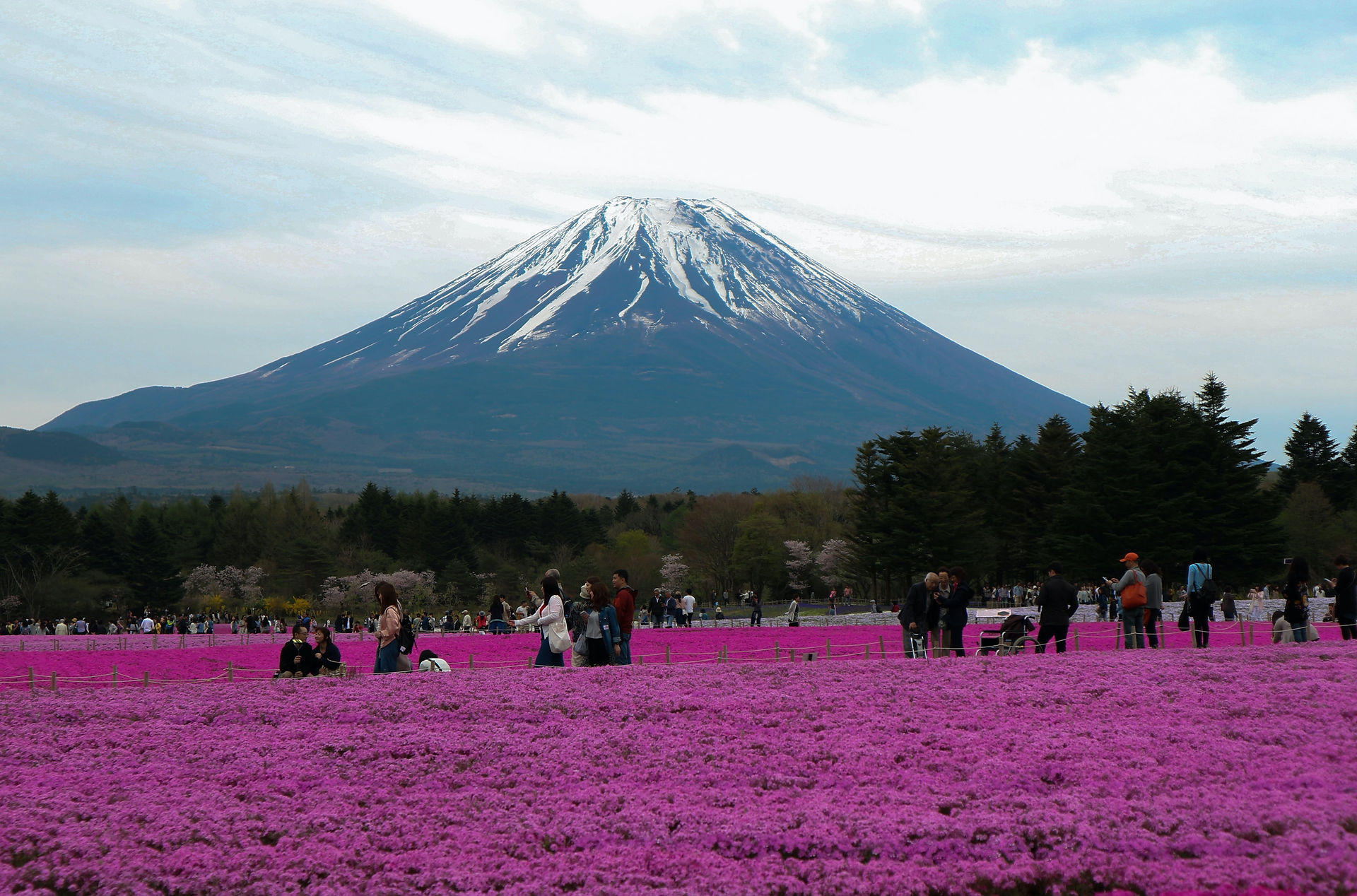
โชข Mount Fuji: The iconic volcano is Japan’s tallest peak and a symbol of the nation. Climbing season runs from July to September, but the mountain can also be admired from Hakone or Lake Kawaguchi.
โ
๐ก Tip: Even if you don’t climb, take a day trip to the Fuji Five Lakes region for stunning photo opportunities.
Transportation in Japan
Japan’s transport system is among the best in the world — fast, efficient, and highly reliable.
From bullet trains to local buses and ferries, getting around is straightforward, though costs can add up without smart planning.
Sign up and save 30% off your first private car hire
Turo is the worldโs largest car sharing marketplace, from a community of trusted hosts across the US, UK, Canada, Australia & France.
SAVE $30 CAD when you spend $230
Book your first trip with Expedia as a NEW USER, be it for a hotel, car rental or flight and get a $30 discount, no strings attached!
Air Travel
Domestic air travel is efficient for long distances, particularly between Honshu and Hokkaido, Kyushu, or Okinawa.
Major airlines like ANA and Japan Airlines (JAL) offer frequent flights, while budget carriers such as Peach Aviation and Jetstar Japan provide affordable options.
โโ
โ
๐ก Tip: Book budget airline tickets early to secure lower fares, especially for popular routes like Tokyo–Sapporo or Tokyo–Okinawa.
Buses
Long-distance buses are an affordable alternative to trains. Highway Buses connect Tokyo, Kyoto, Osaka, and other cities, often overnight. โLocal Buses are common in smaller cities and rural areas.
โ
Tourist Buses are available in sightseeing hubs like Kyoto and Hiroshima.
โโโ
๐ก Tip: For budget travelers, night buses save both money and hotel costs.
Private Taxis
Taxis in Japan are safe, clean, and reliable, but expensive compared to public transport.
Doors open automatically, and drivers are usually very professional.
โโ
๐ก Tip: Use taxis for short city trips or when traveling with luggage — but stick to public transport for long distances.
Motorbikes & Scooters
Scooter rentals are available on smaller islands and rural areas like Okinawa.
While convenient, they are less practical in big cities with heavy traffic.
โ
๐ก Tip: An International Driving Permit (IDP) is required to legally ride scooters or motorbikes in Japan.โ
Trains
Japan’s rail network is legendary. The Shinkansen (bullet train) connects most major cities at speeds up to 320 km/h. Regional trains, metro systems, and local lines make travel smooth within cities and across rural areas.
โ
You can compare and book train tickets easily via 12Go Asia, a reliable platform that includes seat selection and operator reviews.
โโ
๐ก Tip: The Japan Rail Pass (JR Pass) is a must for long-distance travelers, offering unlimited rides on JR lines for 7, 14, or 21 days.
Cruises & Ferries
Japan’s islands are well-connected by ferries, ranging from short local routes to overnight journeys.
Popular routes include Osaka–Shikoku, Hiroshima–Miyajima, and ferries to Okinawa.
โโ
๐ก Tip: Book ferries to Okinawa well in advance — demand spikes during summer holidays. We recommend checking out 12Go Asia for top deals and offers.
Shared Taxis & Minivans
Shared taxis are less common than in Southeast Asia, but may be available for airport transfers or ski resorts.
Services like MK Taxi in Kyoto and Kansai offer shared rides.
โโโ
๐ก Tip: Booking in advance is often required for shared transfers, especially from airports.
Car Rentals
Car rentals are ideal for exploring rural regions, such as Hokkaido or Kyushu.
Roads are excellent, but navigation can be challenging in cities.โ
โ
๐ก Tip: Book rentals with an ETC card for automatic toll payments — it saves time and avoids confusion at toll booths.
Tips for Driving in Japan
Driving is well-regulated but requires preparation.
โ Cars drive on the left-hand side.
โ An International Driving Permit (IDP) is required.
โ Highways are tolled, and tolls can be expensive.
โ Parking in cities is limited and costly.
โ Roads in rural areas are well-marked but may lack English signage.
โ
๐ก Tip: Avoid driving in central Tokyo, Kyoto, or Osaka — traffic and parking costs outweigh the convenience.
Tips for Using Public Transport in Japan
Public transport is the most efficient way to travel.
โ Always stand in line when boarding trains and buses.
โ Use prepaid IC cards like Suica, Pasmo, or ICOCA for seamless travel across buses, trains, and subways.
โ Trains are punctual to the second — plan accordingly.
โ Keep quiet and avoid phone calls on public transport.
โ During rush hour, expect extreme crowding in Tokyo and Osaka metros.
โ
๐ก Tip: Download apps like HyperDia or Japan Transit Planner for real-time route planning.
Visa Requirements for Japan
Japan is one of the most visited countries in Asia, and its visa policies are straightforward for many travelers.
Over 70 nationalities enjoy visa-free entry, but requirements vary depending on the purpose and length of stay.
Visa Options
Visitors typically fall into the following categories:โ
โ
โ Visa-Free Entry: Citizens of the US, UK, EU, Canada, Australia, New Zealand, and many Asian countries can stay for up to 90 days without a visa.
โ
โ Short-Term Visa (Tourist Visa): Required for countries not eligible for visa-free entry. Typically valid for 15–90 days.
โ
โ Transit Visa: For travelers passing through Japan to another destination, usually valid for up to 72 hours.
โ
โ Visa Extensions: Tourist visas are generally not extendable, except in special circumstances (e.g., illness or natural disaster).
โ
โ Special Exemptions: Nationals of some countries (e.g., Austria, Germany, Switzerland, Mexico) may be allowed stays of up to 6 months, with a renewal process at immigration offices.
โ
๐ก Tip: Always check with the Japanese Ministry of Foreign Affairs (MOFA) for the latest list of visa-exempt nationalities.
Types of Visa
Japan offers a range of visas beyond tourism.
โ Tourist Visa: For leisure travel, sightseeing, and visiting friends or relatives.
โ Business Visa: For attending meetings, conferences, or short-term assignments.
โ Student Visa: For those enrolling in Japanese schools or universities.
โ Working Visa: Covers categories like skilled labor, engineers, instructors, and more.
โ Spouse or Dependent Visa: For family members of Japanese nationals or residents.
โ Working Holiday Visa: Available to young travelers (from eligible countries) for up to 1 year.
๐ก Tip: The Working Holiday Visa is especially popular with young travelers, offering both cultural immersion and income opportunities.โ
General Visa Application Requirements
For those needing a visa in advance, typical requirements include:โ
โ
โโ A valid passport with at least 6 months' validity from the entry date.
โ
โ Completed visa application form (if not using the eVisa system).
โ
โ Digital or printed photo (passport-sized, taken within 6 months).
โ
โ Proof of travel itinerary (proof of flights and accommodation)
โ
โ Visa fee (varies by nationality).
โ
โ Proof of sufficient funds (bank statements or equivalent)
โ
โ Travel medical insurance
โโโ
๐ก Tip: pplications are submitted through Japanese embassies or consulates — processing usually takes 5–7 working days.
Additional Things to Keep in Mind
A few practical details to avoid issues at the border:
โ Immigration officers may ask for proof of accommodation and funds, even for visa-exempt travelers.
โ
โ Fingerprints and photos are taken upon entry for most foreign nationals.
โ
โ Overstaying is strictly penalized with fines or entry bans.
โ
โ Visa rules differ for travelers heading to Okinawa or remote islands, so confirm requirements in advance.
โ
โ Travelers with criminal records may face restrictions — disclosure is mandatory on some applications.
โ
๐ก Tip: Carry your passport at all times — police may request ID, and failure to show it can result in fines.
Please note that these are general requirements, and specific documentation and criteria may vary depending on your circumstances and the visa category you are applying for.
This information is also subject to change at any time and has been obtained through research.
We always recommend you visit the official website of the Japanese Ministry of Foreign Affairs for the most up-to-date and detailed information regarding visa requirements.
Weather & Climate in Japan
Japan’s climate is diverse due to its north-to-south geography, stretching from snowy Hokkaido to subtropical Okinawa.
Travelers can experience four distinct seasons, each offering unique highlights.
The weather can vary greatly depending on the region, making it essential to plan trips around seasonal conditions.
Seasons
Japan has four clear seasons, each shaping culture, festivals, and travel.
โ Spring (March–May): Mild temperatures with cherry blossoms in full bloom. Average highs: 13–23°C (55–73°F).
โ
โ Summer (June–August): Hot and humid, with temperatures reaching 25–35°C (77–95°F). June and July bring the rainy season (tsuyu).
โ
โ Autumn (September–November): Crisp air, vibrant foliage, and pleasant temperatures between 12–24°C (54–75°F).
โ
โ Winter (December–February): Cold and snowy in the north, mild in southern regions. Temperatures range from 5°C (23°F) in Hokkaido to 10°C (50°F) in Tokyo.
๐ก Tip: โโCherry blossom season (late March–early April) is the most popular — book accommodation far in advance.
Regional Variations
Japan’s geography creates distinct regional climates.
โ
โ Hokkaido (North): Long, cold winters with heavy snowfall — famous for skiing. Summers are cooler and less humid.
โ
โ Tohoku (Northeast Honshu): Cold winters, warm summers, and excellent autumn foliage.
โ
โ Kanto & Kansai (Tokyo, Kyoto, Osaka): Hot, humid summers and mild winters with occasional snow.
โ Chugoku & Shikoku: Milder year-round, though typhoons may affect the coasts.
โ Kyushu: Warm climate, with hot summers and risk of typhoons.
โ Okinawa (South): Subtropical, with hot, humid summers and mild winters — a year-round beach destination.
โ
๐ก Tip: Pack accordingly — winter in Hokkaido requires full snow gear, while Okinawa may only need light summer clothing at the same time of year.
Annual Rainfall
Japan experiences significant rainfall, with patterns varying by region.
โ The rainy season (tsuyu) typically runs from early June to mid-July in most of Japan.
โ Annual rainfall averages 1,000–2,500 mm (40–100 inches) depending on location.
โ September often brings typhoons, especially affecting Okinawa, Kyushu, and Shikoku.
โ Western Japan tends to be wetter than the east.
โ Snowfall is heavy in Hokkaido and along the Sea of Japan coast.
๐ก Tip: Typhoons can disrupt flights and trains. Always check travel advisories if visiting in September.
Humidity
Humidity plays a major role in Japan’s climate.
โ Summer humidity often exceeds 80%, making it feel hotter.
โ Air conditioning is standard in hotels and public transport.
โ Winters are dry, particularly in central and eastern Japan, leading to chapped skin.
โ Mountain regions like Nagano have lower humidity, even in summer.
โ Spring and autumn offer the most comfortable humidity levels.
๐ก Tip: Carry a small towel or handkerchief — locals often use them to wipe sweat during humid summers.
Best Time to Visit
Each season offers unique travel opportunities.
โ Spring (March–May): Best for cherry blossoms and mild weather.
โ Summer (June–August): Great for festivals and hiking, but hot and humid.
โ Autumn (September–November): Ideal for colorful foliage and cultural trips.
โ Winter (December–February): Perfect for skiing in Hokkaido and hot spring visits.
โโ
๐ก Tip: Autumn is often considered the most balanced season. Fewer crowds than spring, pleasant temperatures, and stunning foliage.โโโ
Be Prepared
Preparation makes travel more enjoyable across Japan’s diverse climates.
โ
โ Bring layered clothing to adjust to changing weather.
โ Pack umbrellas or raincoats for the rainy season.
โ Wear light, breathable fabrics in summer, and insulated gear in winter.
โ Use sunscreen year-round, especially in snowy regions.
โ Stay flexible with plans during typhoon or heavy snow warnings.
โ
๐ก Tip: Japan’s weather can shift quickly — apps like Japan Meteorological Agency (JMA) provide reliable forecasts.โโ
Travel Resources
Book Your Transport E-Tickets with 12Go
โ12Go specializes in transportation options in Southeast Asia and Europe, offering a wide range of travel choices including trains, buses, ferries, and even flights.
Discover the World with Klook!
Unforgettable experiences await with Klook, your go-to platform for booking amazing activities, attractions, and transportation worldwide.
Need the Perfect Travel Resources? We've Got You Covered!
Over the past four years of full-time travel, we've booked countless accommodations, flights, and activities while also navigating the world of earning online.
These are the tools we rely on to plan and book our adventures, and now, you can too!
GigSky eSIM: World Mobile Data
International eSIM Data Plans. Local Prices. No Roaming. Fastest Networks. Available in over 200 countries, with GigSky youโll have cellular data the moment you arrive.
Save 10% on your first order with code CLOSERLIVES10
Save Big on Your Next Adventure
๐ Discover the Closer Lives Resource Hub: Built from 4 years of full-time travel experience. From trusted eSIMs and hotel tools to money-saving cards, teaching online, and blog monetization, we share only what we use ourselves. Explore, earn, and travel smarter with our curated picks.
โ๏ธ Cheap Flights: Get fantastic deals on flights and transport.
๐๏ธ Save on Local Accommodation: Get top deals on budget hostels and luxury hotels.
๐๏ธ Tours, Tickets, and Activities: Skip the hassle and book in advance.
๐จ Flexible Hotels: Save more with Member Prices and get free cancellations.
๐ Rent your Property Confidently with Vrbo: Over 2 million bookable vacation rentals across an array of rental property types.
๐ Read Reviews, Compare & Book Deals! Plan your perfect trip with the world's largest travel site.
๐ฉบ Insurance for Nomads: Nomad Insurance covers extended travel and health worldwide. Choose from two coverage levels based on your needs.
Please note that at no additional cost to you, we may earn a commission from purchases made through these links.
For more information, see our Affiliate Disclosure.
FAQ's
Most Frequently Asked Questions about Japan
- 01
Many travelers, including those from the EU, UK, US, Canada, and Australia, can enter Japan visa-free for short stays (typically up to 90 days).
Other nationalities may need to apply for a visa in advance.
๐ See more in our Visa Requirements section.
- 02
Spring (MarchโMay) and autumn (SeptemberโNovember) are the most popular times, thanks to cherry blossoms and autumn foliage.
Summers can be hot and humid, while winters are cold, especially in the north, but perfect for skiing.
๐ See more in our Weather & Climate section.
- 03
Yes, Japan is one of the safest countries in the world, with very low crime rates.
Petty theft is rare, though earthquakes and typhoons are natural risks.
Visitors should also respect etiquette, as cultural norms are very important.
๐ See more in our Health & Safety section.
- 04
The Japanese yen (JPY) is the official currency.
Credit cards are increasingly accepted, but cash is still widely used, especially in small shops, markets, and rural areas.
ATMs that accept foreign cards are available in convenience stores.
๐ See more in our Currency section.
- 05
Free Wi-Fi is available in many public places, but it may not always be reliable.
SIM cards and portable Wi-Fi devices are popular among visitors.
eSIMs are also convenient and easy to set up.
๐ See more in our Connectivity section.
- 06
Japanโs transport system is world-class.
The Shinkansen (bullet train) connects major cities, while local trains and subways make city travel efficient.
Buses and domestic flights cover additional routes.
Consider a Japan Rail Pass for long-distance travel.
๐ See more in our Transport section.
- 07
Top highlights include Tokyoโs modern districts, Kyotoโs temples, Mount Fuji, Hiroshimaโs Peace Memorial, Naraโs deer park, and Hokkaidoโs natural landscapes.
๐ See more in our Places to Visit section.
- 08
Bow when greeting, remove shoes before entering homes and traditional inns, and avoid speaking loudly on public transport.
Itโs also customary to hand over money and cards with both hands.
Tipping is not part of Japanese culture.
๐ See more in our Culture & Customs section.
- 09
Yes, tap water is safe to drink throughout Japan, and bottled water is also widely available.
Many public places have drinking fountains.
๐ See more in our Health & Safety section.
- 10
YOUTUBE
Discover more from Japan and join 15k+ on our YouTube channel at Jenn & Leon
JAPAN
JAPAN


Christmas in Tokyo's Hibiya VS New York's Rockefeller Center Which is Better

Kyoto in 3 days! Fun and Food

We Rode Japanโs Coolest Trains and This Happened!

2 things about Osaka you may not know! #travel #osaka
As entrepreneurs and full-time slow travellers our goal is to see as much of this beautiful planet as we can!
โ
By subscribing to our channel you will get notified of our latest videos, so you will never miss out!
Country Guides
Check out other comprehensive Asia Country Guides with all you need to know before you go, including our latest posts, must-see places, interesting facts, and key information about health & safety, transport, local customs, cuisine, connectivity, visa information, useful links and much more!
Our Engagement Story
Discover Aphroditeโs Rock, the legendary birthplace of the goddess of love, and our engagement spot! Find out more about our story, how it all happened, and all you need to know about visiting this incredible location (and also Leon's ancestral homeland).
Jenn & Leon at Closer Lives
We plan to see, learn, love and share as much of the world with others as possible.
That is why we created Closer Lives, to create a community for like-minded individuals and to help bring the world a little closer together through poetry, history, storytelling, healing, art, purpose and togetherness.
If you'd like to join us please sign up to our website; the social part is still in the process of being developed but currently you are able to post, share and interact. We'd love to have you here with us!
PLUS when you sign up you will receive a welcome bonus of 20% off ANYTHING from our Travel & Lifestyle Emporium.
Shop our inspirational range of suitcases, backpacks, phone cases, clothing and more, exclusively designed by us, with worldwide delivery.