

Valley of the Kings: Ancient Egypt's Pharaoh Burial Ground

Updated: Aug 26
The Valley of the Kings, situated on the picturesque west bank of the majestic Nile River near Luxor, stands as a testament to the grandeur and sophistication of ancient Egyptian civilization.
This iconic archaeological site has intrigued historians, archaeologists, and visitors alike, offering a captivating glimpse into a bygone era filled with mysteries and treasures waiting to be discovered.

From its origins in the Eighteenth Dynasty to its rediscovery and ongoing archaeological work, the valley continues to fascinate and inspire people around the world.
Its history is a story of human ingenuity, devotion, and the enduring legacy of a civilization that continues to captivate our imagination.
In this post, we explore the incredible history of this site, including its rise to prominence, tomb-robbing issues, its decline, and rediscovery.
There is so much to unpack here, so let's get to it!

Key Takeaways
● Why it matters: The Valley of the Kings served as a burial ground for New Kingdom pharaohs and nobles for nearly 500 years, with more than 60 tombs discovered.
● Tomb access: Only a rotating selection opens to visitors. Standard admission normally covers several open tombs, while famous sites may require separate tickets.
● Visitor tips: Arrive early to reduce heat and crowds, carry water, wear sturdy shoes, and allow several hours if combining the valley with other West Bank attractions.
In This Post...
See More...
History of the Valley of the Kings
The selection of the Valley of the Kings as a burial ground was no mere coincidence.
Its strategic location, hidden amidst natural barriers, provided the perfect security and seclusion needed for the final resting places of the pharaohs and nobles during the illustrious New Kingdom period, spanning from approximately 1539 to 1075 BCE.
The valley's cliffs bore witness to the construction of elaborate tombs, each telling a unique story of the individuals interred within.

⪢ Origins & Purpose
The Valley of the Kings, known to the ancient Egyptians as the "Great Field," was chosen as a burial site during the Eighteenth Dynasty, primarily due to its remote location and natural security against grave robbers.
The valley is divided into two branches: the East Valley, where most of the tombs are located, and the West Valley.
⪢ The Eighteenth Dynasty (1550–1292 BCE)
The inception of the Valley of the Kings coincided with the beginning of the Eighteenth Dynasty, marked by the reunification of Egypt under Ahmose I.
Some of the most famous pharaohs of this dynasty were buried here, including:
● Thutmose I: Often credited with commissioning the first royal tomb in the valley. His tomb set the standard for future burials.
● Hatshepsut: The powerful female pharaoh who built a splendid mortuary temple nearby at Deir el-Bahri.
● Amenhotep III: Known for his opulent reign, his tomb reflects the grandeur of his time.

⪢ The Nineteenth Dynasty (1292–1189 BCE)
This period saw the continuation of royal burials in the Valley of the Kings, with famous rulers such as:
● Seti I: His tomb (KV17) is one of the longest and most beautifully decorated in the valley.
● Ramses II: Also known as Ramses the Great, his tomb (KV7) was originally one of the most magnificent, though it suffered significant damage over time.
⪢ The Twentieth Dynasty (1189–1077 BCE)
The Twentieth Dynasty was a period of declining power, yet some notable tombs were constructed:
● Ramses III: His tomb (KV11) is one of the largest and most elaborately decorated, featuring detailed carvings and texts from the Book of the Dead.
● Ramses VI: His tomb (KV9) is well-known for its complex decorations and astronomical ceiling.

⪢ Decline & Rediscovery
After the end of the New Kingdom, the Valley of the Kings fell into disuse and was eventually forgotten.
The tombs were plundered over the centuries, and by the time of the Greek and Roman periods, their exact locations were lost.
The modern rediscovery of the valley began in the 18th and 19th centuries with European explorers and Egyptologists such as Giovanni Battista Belzoni and Jean-François Champollion.
Their work laid the foundation for systematic archaeological exploration.

Controversies With Tomb Robbing
Despite the meticulous efforts to safeguard the tombs, the Valley of the Kings was not immune to the greed and cunning of ancient tomb robbers.
The tales of looting and pillaging echo through the corridors of time, with some tombs falling victim to the relentless pursuit of treasures and artifacts.
The discovery of Tutankhamun's nearly intact tomb by Howard Carter in 1922 unveiled a treasure trove that mesmerized the world and shed light on the opulence of ancient Egyptian royalty.

The Discovery of Tutankhamun's Tomb
The most significant discovery in the Valley of the Kings occurred in 1922, when British archaeologist Howard Carter unearthed the tomb of Tutankhamun (KV62).
The tomb was virtually intact, containing a wealth of artifacts that provided unprecedented insights into ancient Egyptian culture and burial practices.
The discovery of Tutankhamun's tomb captivated the world and renewed interest in Egyptology.

Modern Archaeological Work & Excavations
Since the 18th century, dedicated archaeologists have embarked on numerous excavations within the Valley of the Kings, unearthing new tombs and artifacts that provide invaluable insights into the burial customs and beliefs of the ancient Egyptians.
The integration of cutting-edge technologies like ground-penetrating radar and 3D scanning has revolutionized the exploration of the valley, allowing researchers to map its intricate layout and identify potential undiscovered tombs that hold the promise of revealing further secrets of the past.
In the 20th and 21st centuries, the Valley of the Kings has been the site of numerous projects, focusing on excavation, preservation, and study of the tombs and their contents.
Notable projects include:
● The Theban Mapping Project: Led by Dr. Kent Weeks, this project has created detailed maps and documentation of the valley's tombs.
● Conservation and Restoration: Ongoing work to preserve the delicate wall paintings and stabilize the tomb structures.

Significance & Legacy
The Valley of the Kings remains one of the most important archaeological sites in the world. It offers a unique glimpse into the burial practices, religious beliefs, and daily life of the New Kingdom period.
The artifacts and tombs continue to be studied, revealing new information about ancient Egyptian civilization.
The allure of the Valley of the Kings endures, drawing inquisitive minds and curious souls to unravel its enigmatic past.
As each discovery unfolds, the valley continues to invite us to delve deeper into the legacy of a civilization that continues to captivate and inspire us to this day.
The Valley of the Kings is just one part of Egypt’s incredible archaeological landscape. We’ve covered more must-see locations and travel tips in our Egypt travel guides.

Visiting the Valley Today
Today, the Valley of the Kings is a popular tourist destination, managed by the Egyptian Ministry of Antiquities.
Visitors can explore several tombs, including those of Ramses IV, Ramses VI, and Tutankhamun, experiencing firsthand the grandeur of ancient Egyptian funerary art.
Each year, the Valley of the Kings attracts a substantial number of visitors, ranging from 500,000 to over a million annually!
🎟️ Consider Taking a Tour in Luxor
One of the most popular trips from El Gouna is a day tour to Luxor. From the Valley of the Kings and Karnak Temple to guided Nile-side experiences, a tour makes it easy to see the highlights without worrying about transport or logistics.
Popular Tombs to Visit
These are the tombs we visited while at the Valley of the Kings, choosing the most popular based on condition and visitor numbers, according to our local guide.
We only had time for four spots, but know that this list is by no means exhaustive! We would certainly like to return to explore more of the tombs here.

Ramses IV's Tomb KV2
Explore the captivating tale of Ramses IV, epic photo highlights of his unfinished tomb, and all you need to know before you go.

Ramesses IX's Tomb KV6
Delve into the intriguing highlights of the tomb of Ramesses IX, his legacy, and history. Plus facts, ticket info, and opening times.

Merneptah's Tomb
Coming to power at 70, defeating a mighty Libyan invasion, we unpack the legacy of Pharaoh Merneptah.
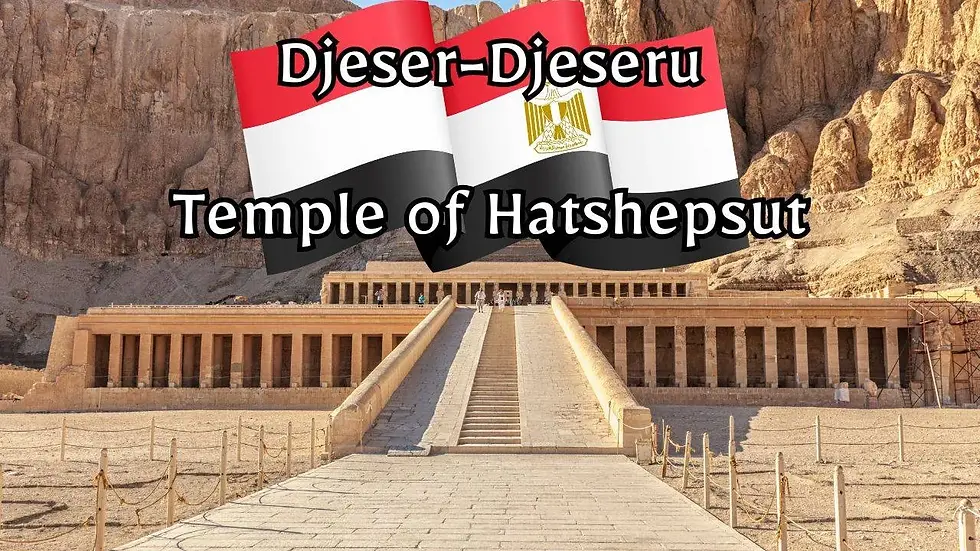
Temple of Hatshepsut
Uncover the history of the trailblazing female pharaoh, Hatshepsut, and her awe-inspiring temple at Deir el-Bahari.
FAQ: Visiting the Valley of the Kings
What is the Valley of the Kings?
The Valley of the Kings is a royal burial ground located on the west bank of the Nile near Luxor. It was used for nearly 500 years as the final resting place of Egypt’s pharaohs and elite, including the famous tomb of Tutankhamun.
How many tombs are there?
There are over 60 known tombs, though only a select few are open to the public at any given time. The most famous ones include those of Tutankhamun (KV62), Seti I (KV17), and Ramses VI (KV9).
What are the hours?
The site is typically open daily from 6 am to 5 pm. Opening hours may vary slightly depending on the season or public holidays.
How much are tickets?
The standard entry ticket grants access to any three open tombs (excluding premium tombs). Additional tickets are required for tombs like Tutankhamun, Seti I, and Ramses V/VI. A photography pass is also available for personal-use photography.
Which tombs should I see?
If you’re short on time, recommended tombs often include:
● KV2: Ramses IV (colorful and accessible)
● KV6: Ramses IX (bright artwork, easy walk)
● KV11: Ramses III (impressive length and decoration)
● KV62: Tutankhamun (small but iconic – separate ticket)
Is photography allowed?
Yes, with the purchase of a photo pass. Flash and tripods are prohibited. Always double-check specific rules at the entrance.
What should I wear?
Wear breathable clothing, a sun hat, and closed-toe shoes for uneven surfaces. Bring sunscreen and plenty of water; it gets very hot, even early in the day.
Is the site accessible?
Some tombs, like KV2 and KV6, are more accessible due to their gentle slopes and wider corridors. However, others involve stairs and uneven ground. The visitor center has limited accessibility features.
How do I reach the Valley of the Kings?
It’s about a 30-minute drive from Luxor’s east bank. You can reach it via taxi, organized tour, or private guide. Many day trips combine the Valley with other West Bank sites like Hatshepsut’s Temple or the Colossi of Memnon.
Are guides available?
Yes, you can hire a licensed guide at the visitor center or book one in advance as part of a tour. Guides are not allowed inside the tombs, but they will explain everything beforehand.
Easily Find Hotels Nearby
Looking for a place to stay nearby? Browse Luxor hotel deals below to find great rates for an overnight stay.
Our map offers a user-friendly interface that allows you to zoom in and out, providing a comprehensive view of the area and enabling you to identify the most convenient hotel options based on your current location or desired destination.


Comments